Official Login Page 100 Verified
Dunkin' Is Officially Dropping 'Donuts' From Its Name Bostonomix
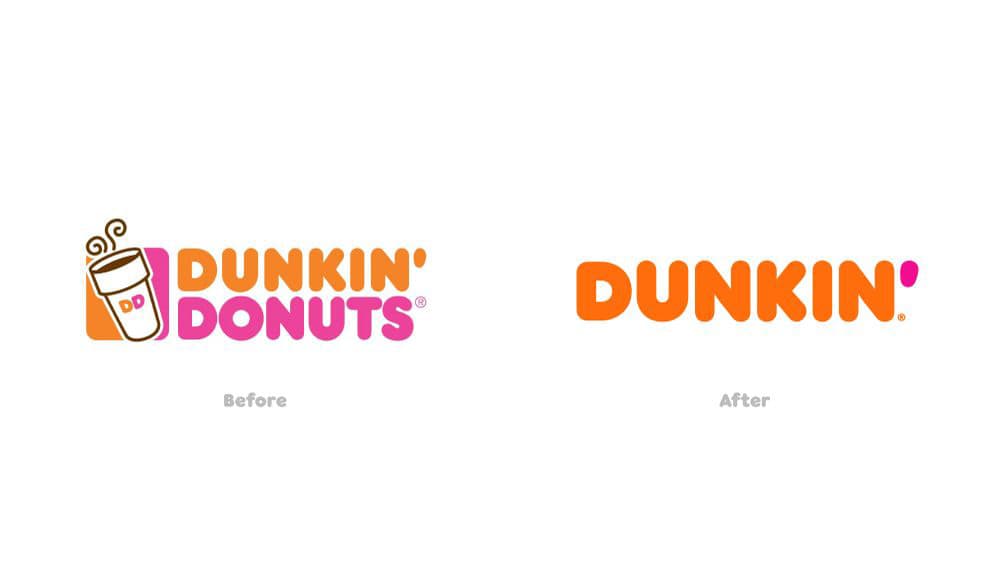
Cover Dunkin' Is Officially Dropping 'Donuts' From Its Name Bostonomix (1000x562)
Table of Contents:
- What is the significance of Dunkin Brands entering talks for a US$9 billion acquisition?
- Who is involved in the talks for Dunkin Brands' acquisition?
- What are the potential benefits of this acquisition?
- What are the potential challenges and risks in this acquisition?
- How will this acquisition impact the market and consumers?
What is the significance of Dunkin Brands entering talks for a US$9 billion acquisition?
Dunkin Brands entering talks for a US$9 billion acquisition is a significant development in the business world. It indicates that the company is considering a major strategic move that could potentially reshape its future. Such a high-value acquisition demonstrates the company's ambition to grow and expand its presence in the market.
By entering talks for a US$9 billion acquisition, Dunkin Brands is signaling its intention to explore new opportunities and potentially diversify its business portfolio. This move could enable the company to tap into new markets, reach a wider customer base, and strengthen its competitive position in the industry.
Additionally, the size of the potential acquisition highlights Dunkin Brands' financial strength and ability to undertake such a significant transaction. It showcases the company's confidence in its ability to generate future returns and create value for its shareholders.
Overall, the significance of Dunkin Brands entering talks for a US$9 billion acquisition lies in the potential for transformative growth, expansion into new markets, and the company's financial strength and confidence in its future prospects.
Who is involved in the talks for Dunkin Brands' acquisition?
The talks for Dunkin Brands' acquisition involve several key players in the business world. On one side, we have Dunkin Brands, the company being targeted for acquisition. Dunkin Brands is a well-known American multinational coffee and doughnut company. It operates globally and has a strong brand presence.
On the other side, there are potential acquirers or investors who are interested in acquiring Dunkin Brands. These acquirers could be other companies, private equity firms, or a consortium of investors. The specific entities involved in the talks may not be publicly disclosed until a deal is finalized.
It is important to note that Dunkin Brands is a publicly traded company, meaning its shares are available for purchase on the stock market. This opens up the possibility of various institutional investors, such as mutual funds or pension funds, holding significant stakes in the company. These institutional investors may also play a role in the talks for Dunkin Brands' acquisition.
Ultimately, the talks for Dunkin Brands' acquisition involve Dunkin Brands itself, potential acquirers or investors, as well as potentially influential institutional investors.
What are the potential benefits of this acquisition?
The potential benefits of Dunkin Brands' acquisition can be manifold, depending on the specific nature of the deal and the strategic objectives of the acquiring party. Here are some potential benefits that could arise from this acquisition:
1. Market Expansion: Acquiring Dunkin Brands could allow the acquiring party to expand its market presence, both domestically and internationally. Dunkin Brands has a strong brand presence and a global customer base, which could provide opportunities for the acquiring party to tap into new markets and reach a wider audience.
2. Product Diversification: Dunkin Brands is known for its coffee and doughnut offerings. Acquiring Dunkin Brands could provide the acquiring party with a new range of products and offerings, allowing for diversification of its business portfolio. This could help the acquiring party mitigate risks associated with dependence on a single product or industry.
3. Synergies and Cost Savings: An acquisition can often result in synergies and cost savings through economies of scale and operational efficiencies. By integrating Dunkin Brands' operations with those of the acquiring party, there could be opportunities to streamline processes, reduce redundancies, and achieve cost savings.
4. Brand Equity: Dunkin Brands has a strong brand equity and recognition. Acquiring Dunkin Brands could provide the acquiring party with immediate brand recognition and customer loyalty, which could be leveraged to enhance its own brand value and market positioning.
5. Financial Performance: If the acquisition is successful in generating additional revenue streams and cost savings, it could potentially improve the financial performance of the acquiring party. This could lead to increased profitability, shareholder value, and investor confidence.
These are just a few potential benefits that could arise from Dunkin Brands' acquisition. The actual benefits would depend on the specific details and strategic objectives of the acquiring party.
What are the potential challenges and risks in this acquisition?
While there are potential benefits to Dunkin Brands' acquisition, there are also inherent challenges and risks that need to be considered. Here are some potential challenges and risks:
1. Integration Difficulties: Integrating two companies can be a complex process, especially if they have different cultures, systems, and processes. The acquiring party may face challenges in aligning Dunkin Brands' operations with its own, which could impact the efficiency and effectiveness of the integrated entity.
2. Regulatory Approval: Acquisitions, especially large-scale ones, often require regulatory approval from governmental authorities. The acquiring party may face challenges in obtaining the necessary approvals, which could delay or even prevent the completion of the acquisition.
3. Financial Risk: Acquiring Dunkin Brands for US$9 billion represents a significant financial commitment. The acquiring party would need to ensure that it has the necessary financial resources to fund the acquisition and manage any associated debt. Failure to do so could result in financial strain or adverse effects on the acquiring party's financial position.
4. Market Volatility: The market can be unpredictable, and economic conditions can change rapidly. The acquiring party may face challenges if there is a significant downturn in the market or in the specific industry in which Dunkin Brands operates. This could impact the financial performance and value of the acquisition.
5. Brand and Reputation: Acquiring Dunkin Brands means assuming responsibility for its brand and reputation. If there are any negative perceptions or controversies associated with Dunkin Brands, the acquiring party may face challenges in managing and mitigating the impact on the overall brand and reputation.
These are just a few potential challenges and risks associated with Dunkin Brands' acquisition. It is crucial for the acquiring party to conduct thorough due diligence and risk assessment to mitigate these potential challenges and risks.
How will this acquisition impact the market and consumers?
The impact of Dunkin Brands' acquisition on the market and consumers can be significant. Here are some potential ways in which this acquisition could impact various stakeholders:
1. Market Competition: Depending on the acquiring party and its existing market presence, the acquisition could intensify competition within the industry. If the acquiring party is a direct competitor of Dunkin Brands, the consolidation of these two entities could lead to increased market concentration and potentially limit choices for consumers.
2. Product Offerings: The acquisition could result in changes to Dunkin Brands' product offerings. The acquiring party may choose to introduce new products or modify existing ones as part of its strategic objectives. This could impact consumer preferences and the overall product landscape within the industry.
3. Pricing and Promotions: Changes in ownership and strategic direction could also influence pricing and promotional strategies. The acquiring party may implement new pricing structures or promotional campaigns to differentiate itself in the market. This could impact consumer behavior and purchasing decisions.
4. Brand Image and Loyalty: The acquisition could impact the perception of Dunkin Brands' brand image and customer loyalty. Depending on the acquiring party's reputation and strategic decisions, consumers may have different perceptions of the brand and their level of loyalty towards it. This could influence consumer preferences and their willingness to continue patronizing Dunkin Brands.
5. Market Consolidation: If Dunkin Brands' acquisition leads to further consolidation within the industry, it could result in a smaller number of dominant players. This could have implications for smaller competitors, who may face increased challenges in gaining market share. Consumers may also have fewer choices and less diversity in terms of available brands and offerings.
Overall, the impact of Dunkin Brands' acquisition on the market and consumers will depend on the specific details of the acquisition, the acquiring party's strategic objectives, and the subsequent actions taken by the new entity.
Conclusion
The talks for Dunkin Brands' US$9 billion acquisition have significant implications for the company and the broader business landscape. This potential acquisition signifies Dunkin Brands' ambition to grow and expand its presence, while also highlighting its financial strength and confidence in future prospects.
The involvement of various stakeholders, including Dunkin Brands, potential acquirers, and institutional investors, adds

Post a Comment for "Official Login Page 100 Verified"